Neighborhood Observations
Why Some Streets Make Us Slow Down
Street fronts, walking rhythms, and places to pause show how a street can become a destination.
3 min read
Neighborhood Observations
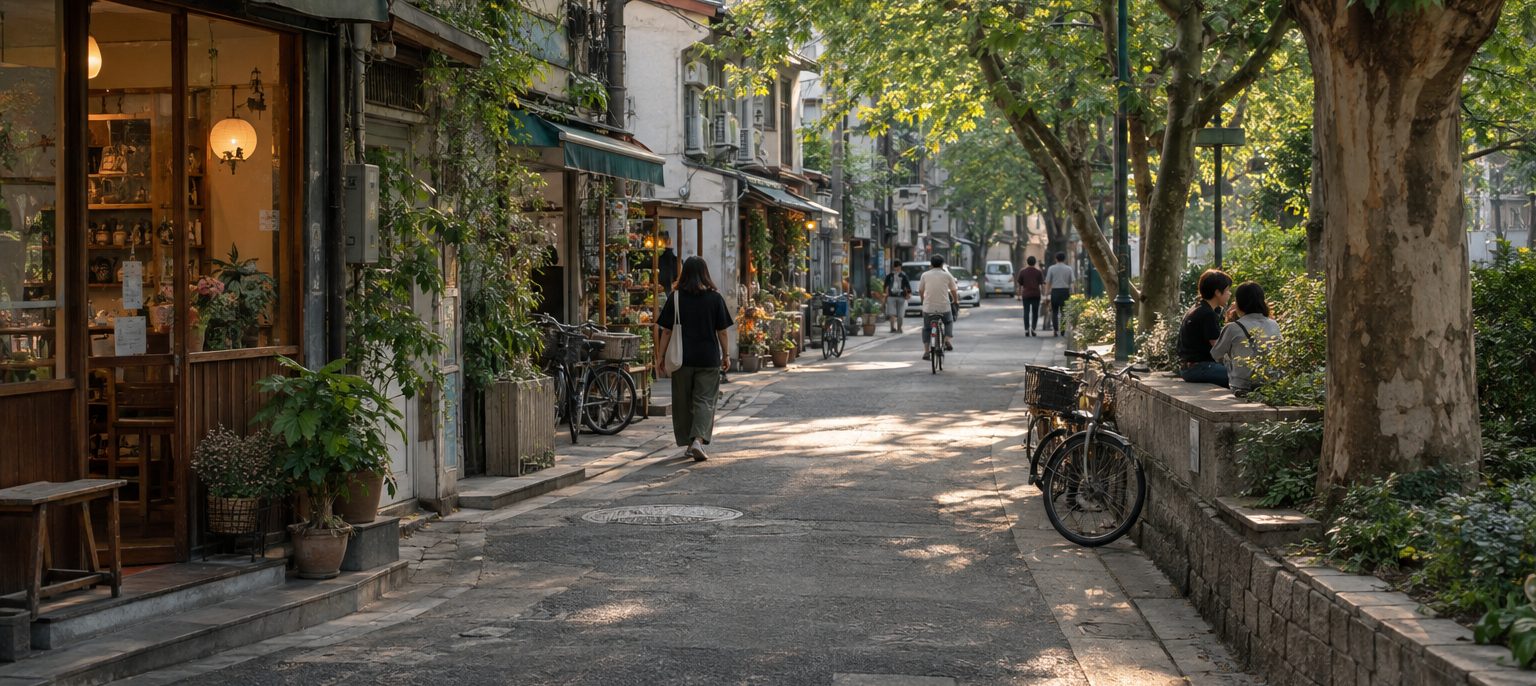
Walking includes more than movement. A street becomes part of urban life when people can slow down, stop, and turn back whenever they wish.
Width explains only part of a comfortable walk
We often associate walkability with wide sidewalks and smooth paving. Streets that make us slow down also offer a fine grain of activity: today's menu outside a shop, working hands visible through a window, or a low wall under trees that leaves the path clear. People receive understandable signals and find reasons to linger.
A blank wall running for tens of meters can make people speed up even on level pavement. The body senses quickly that there is little reason to stay.
Walking speed is an honest assessment of space. People move quickly through exposed, monotonous, or uncertain places and slow down around varied activity and welcoming edges. Observe how much time people want to spend on a street, alongside how many people it can carry per hour.
How much change fits in a hundred meters?
Interesting streets can emerge from ordinary buildings. The frequency of change matters: doors, windows, steps, signs, trees, and corners divide distance into short segments. A new visual focus appears every dozen steps.
Decoration alone contributes less. An advertisement covered wall may provide information without creating familiarity. Meaningful variation usually comes from real activity: people entering and leaving, a place to sit, something to buy, or a glimpse of life inside.
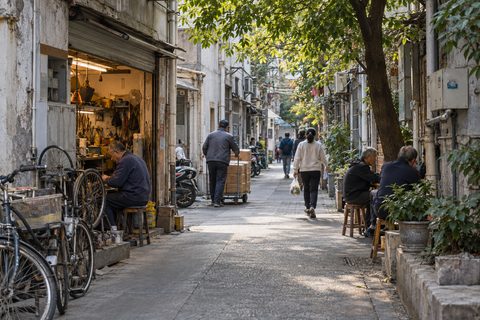
Fifty meters of an old street can contain a breakfast shop, a shoe repair stand, a residential lobby, and a tree. The same distance along a new road may contain only a parking fence. The first communicates ongoing life; the second can make a walk feel long despite brand new paving.
Eyes, ears, and noses all assess a street
A coffee machine, cooking smells, rustling leaves, and conversations drifting from an opening shop make a place perceptible. Moderate everyday sounds indicate that people are nearby and help walkers judge whether somewhere is open and safe.
Balance matters. Persistent traffic noise can drown out conversation, while fumes and harsh light push people away from the edge. A good street lets sensory cues coexist without one overwhelming the others.
Make stopping feel safe
Some busy streets offer nowhere to pause comfortably for two minutes. Benches sit beside traffic, shared bicycles fill the shade, and shop steps prohibit lingering. Constant movement removes opportunities for chance meetings and observation.
A usable edge can support sitting, waiting, adjusting a backpack, or talking with a friend without prescribing an activity. It can achieve more than a large landscape feature placed in the middle.
Give stopping places some protection: a wall, planter, or shop behind; a view of people in front; and a position clear of the main path. People can engage with the street while keeping a personal boundary.
Can someone stay without spending?
Cafes and restaurants offer seats tied to purchases. An open street also needs steps, public benches, shade, and drinking water that people can use freely.
Older residents, teenagers, delivery workers, and people waiting for others particularly benefit. A street that requires a purchase to stay readily excludes those without shopping plans.
Meet the same street at three times
Try a walk in the morning, afternoon, and evening:
- Morning: Watch opening shops, deliveries, and school journeys to see how people and vehicles share limited space.
- Afternoon: Observe shade, resting places, and walking choices during the hottest hours.
- Evening: Examine lighting, commuters, and the changes after shops close.
A street that looks good on a weekend afternoon may serve residents poorly in daily life. Time reveals differences that photographs miss.
On your next street walk
Record five questions:
- How many usable entrances appear in each hundred meters?
- Where can someone stay for five minutes without buying anything?
- Does the walking route stay continuous in rain or strong sun?
- Where do children, older people, and people pushing carts need to detour?
- What remains after the shops close?
Where the answers offer enough variety, slowing down becomes a natural response to the surroundings.
A good street keeps offering reasons to explore.
Related
-
The Overlooked Life of Back Lanes
Neighborhood Observations