
30 minutes · One street corner
Walk just two crossings. Notice the signs, doorways, shadows of trees and life along the shopfronts.
START HERE / WALK THE CITY
You don’t have to start with the latest essay. Decide how much time you have today, what you want to see and how far you’ll walk, then pick one of the four ways in below.
Walk just two crossings. Notice the signs, doorways, shadows of trees and life along the shopfronts.
Enter from a transit stop, pass through the market, old housing and new shops, and leave from the other end.
Follow a riverbank or seawall and string together bridges, piers, industrial remains and public space.
Watch the lighting, night markets, shift changes and last buses. Skip the sights; choose familiar, safe stretches.
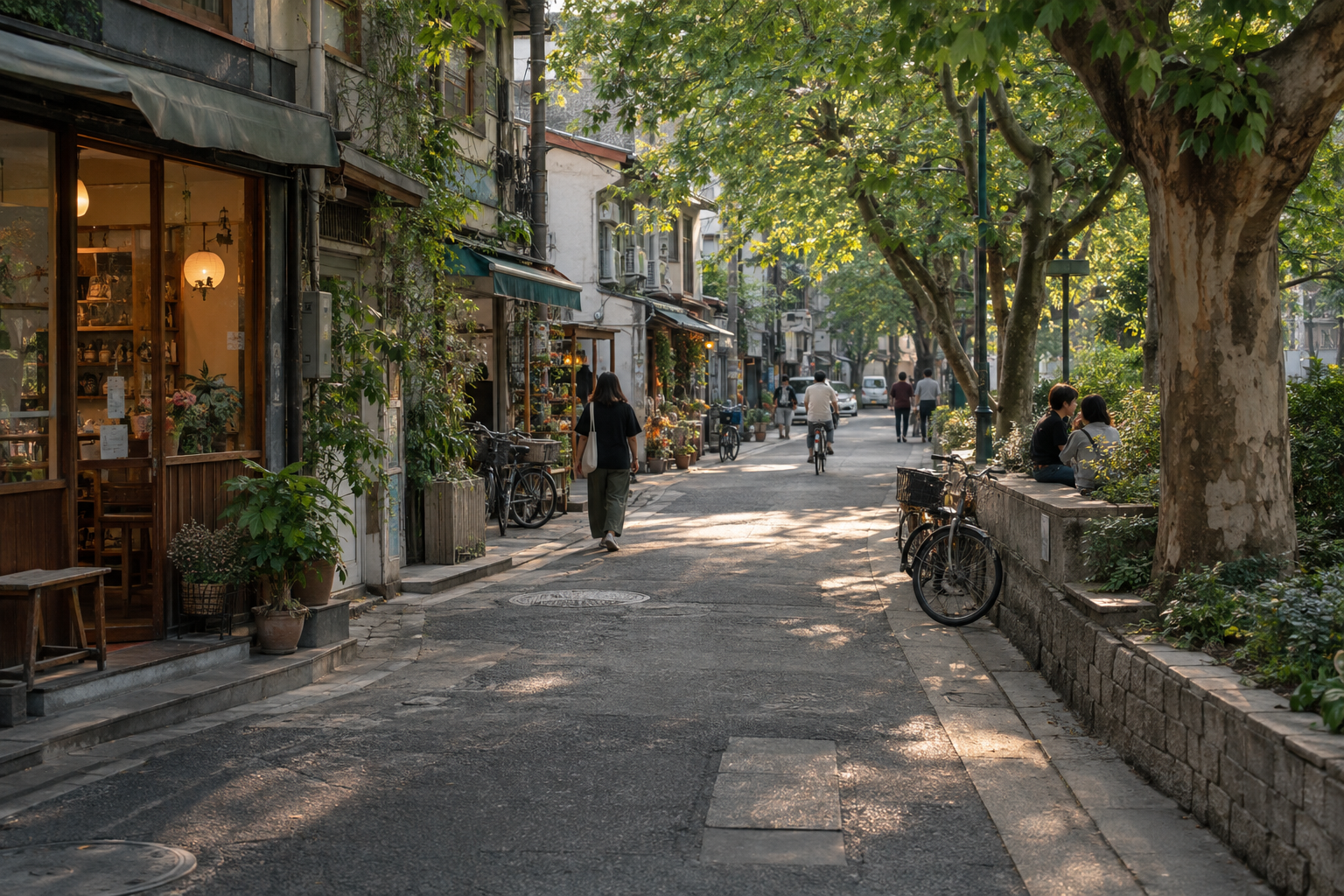
Street fronts, walking rhythms, and places to pause show how a street can become a destination.
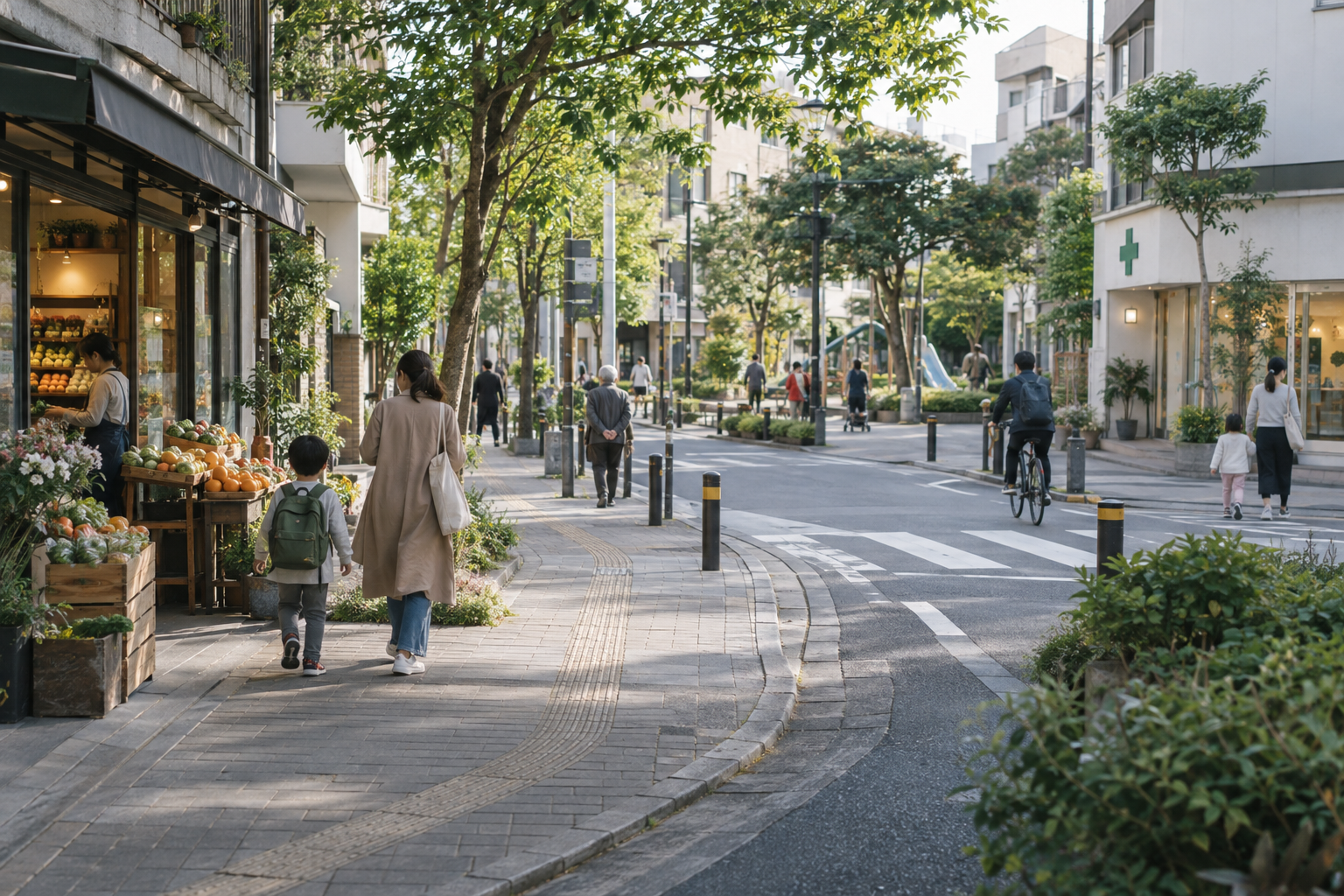
The same straight line distance can produce very different walks. Understanding a fifteen minute neighborhood starts with the routes people actually take.
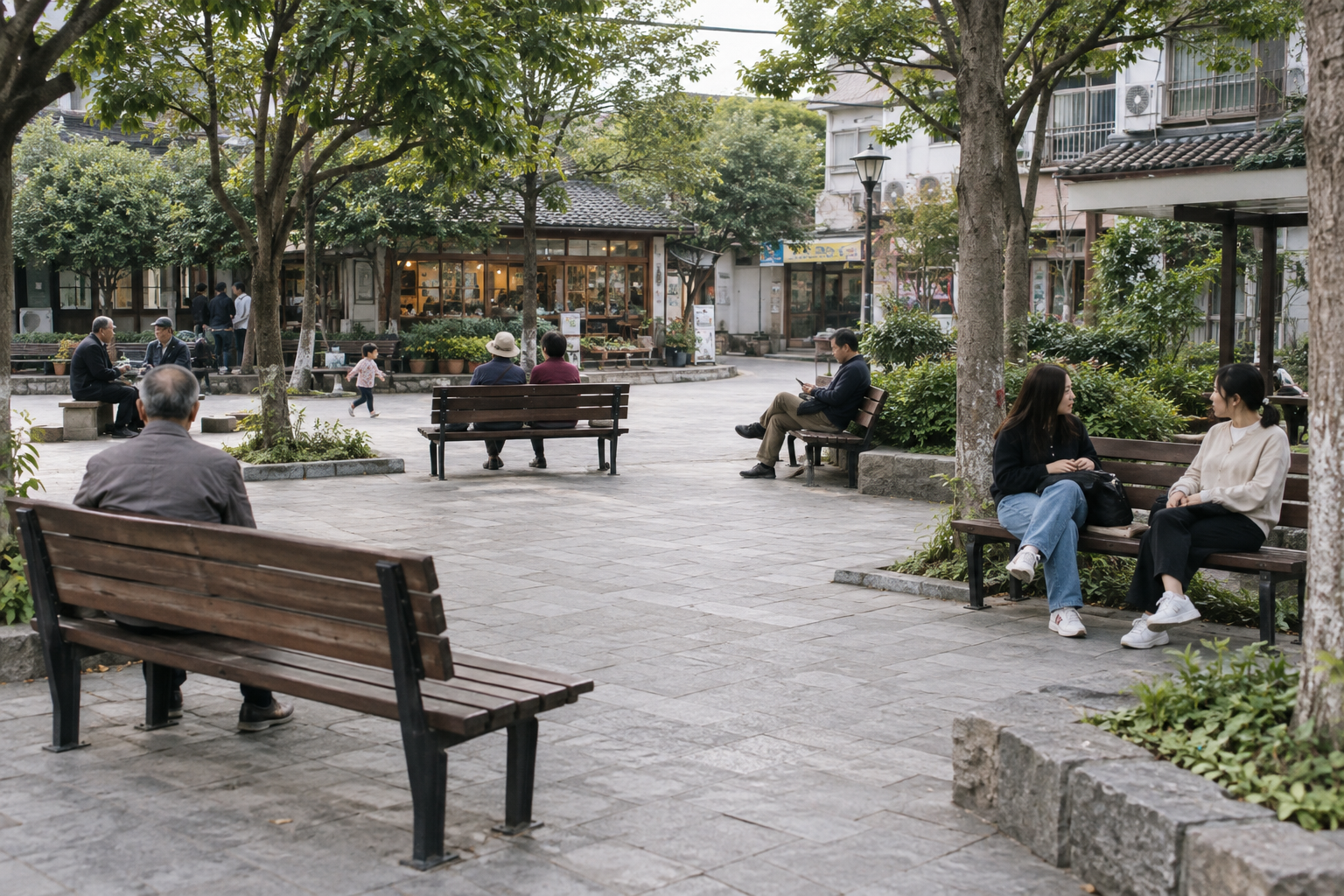
A public bench's orientation, spacing, and surroundings quietly shape how people share a place.
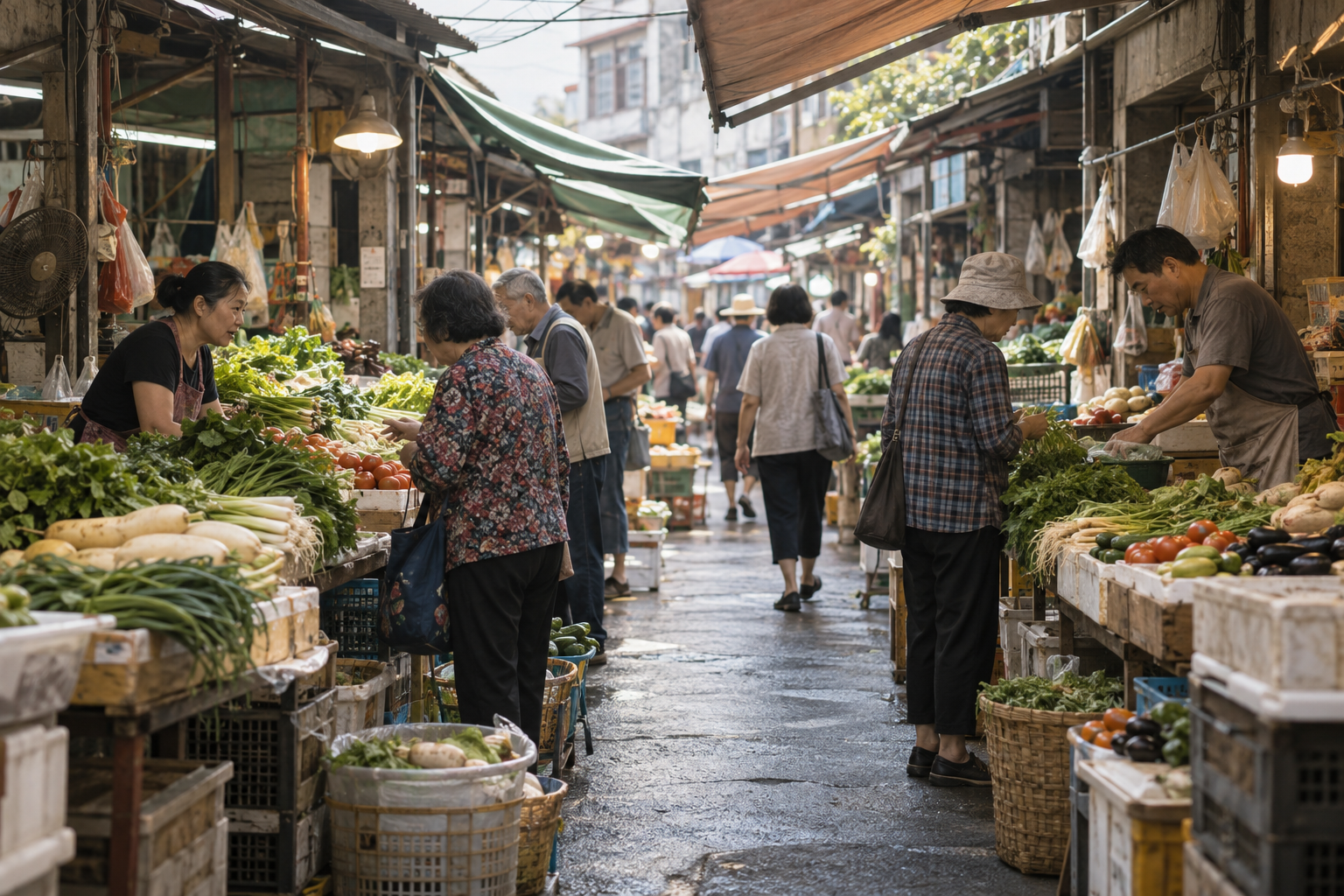
A market sustains community connections through repeated encounters, easy places to pause, and everyday exchanges of information.
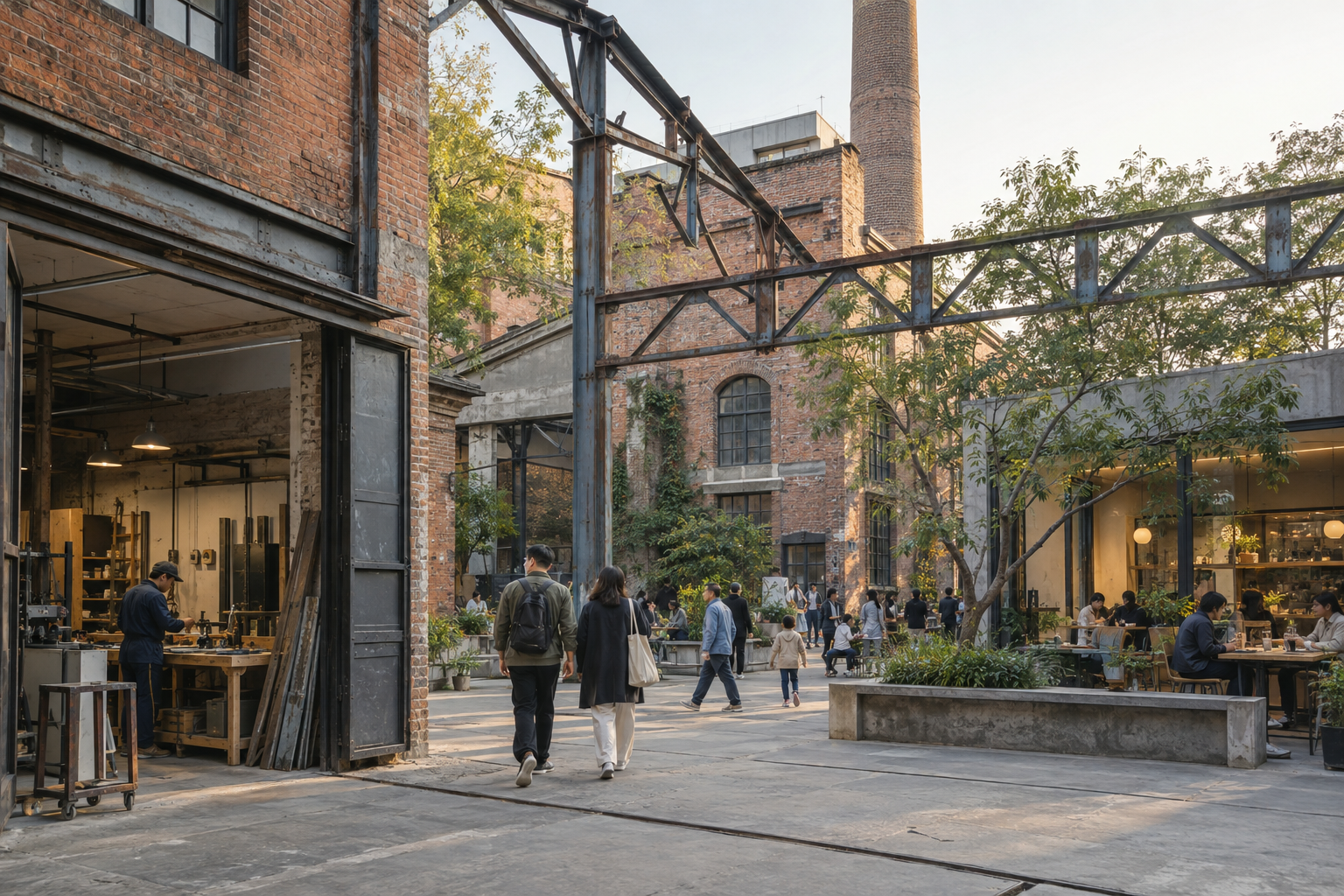
When industrial buildings become creative districts, examine both the architecture that survives and what the original users lose.
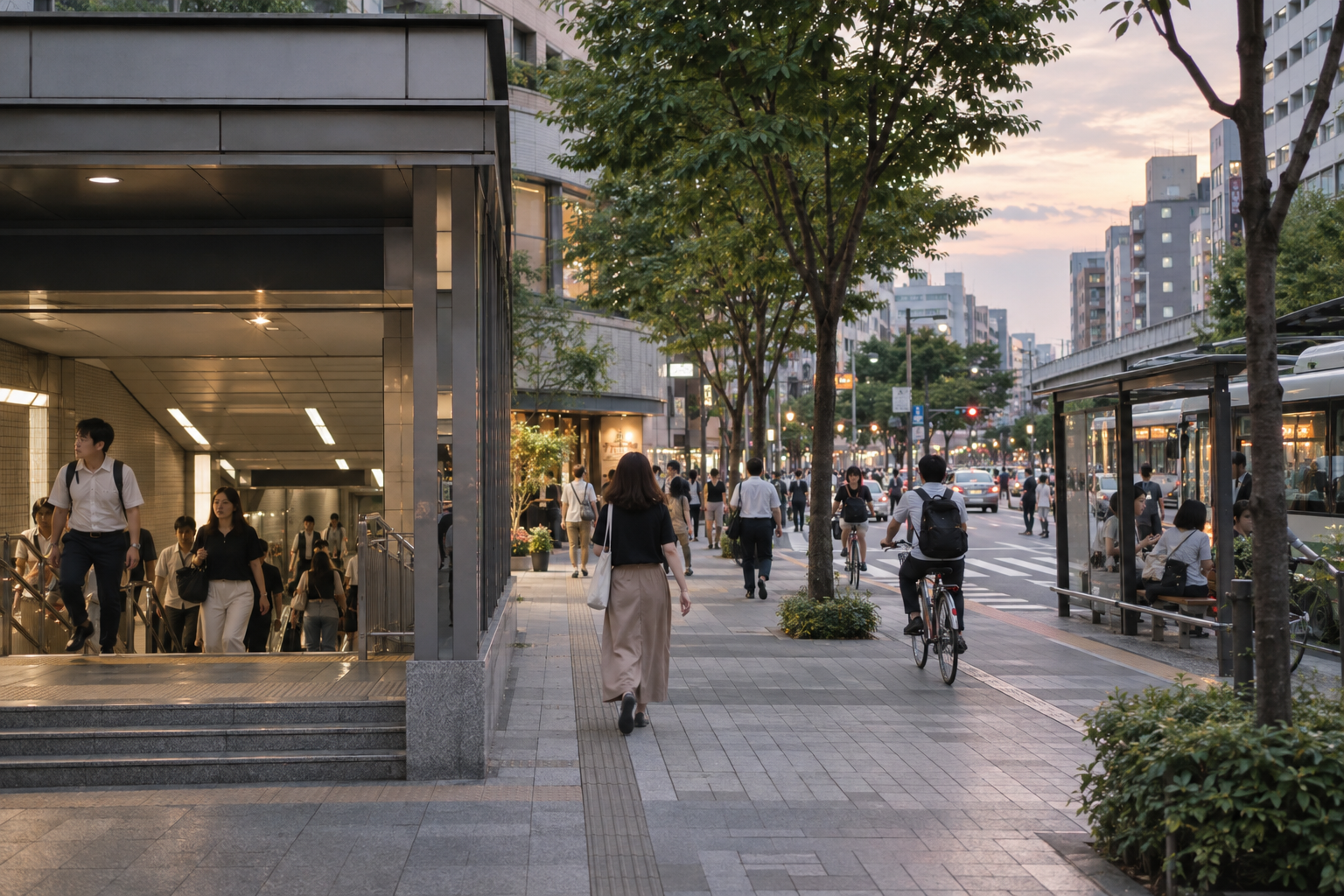
Public transport continues beyond the ticket gates. The next five hundred meters determine how well a station connects with neighborhood life.
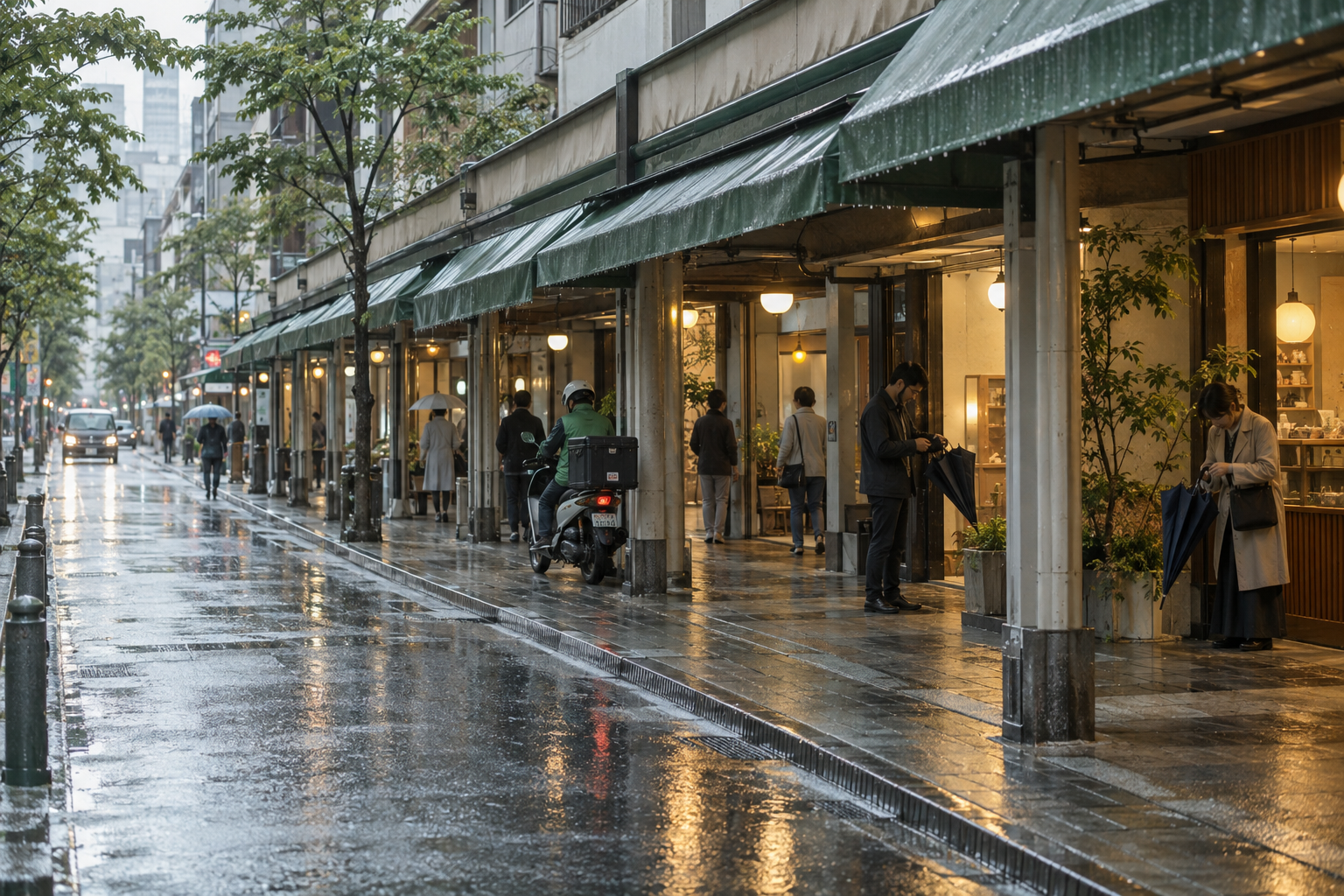
Spaces between buildings and streets keep walking continuous in sun and rain, while making room for everyday pauses.
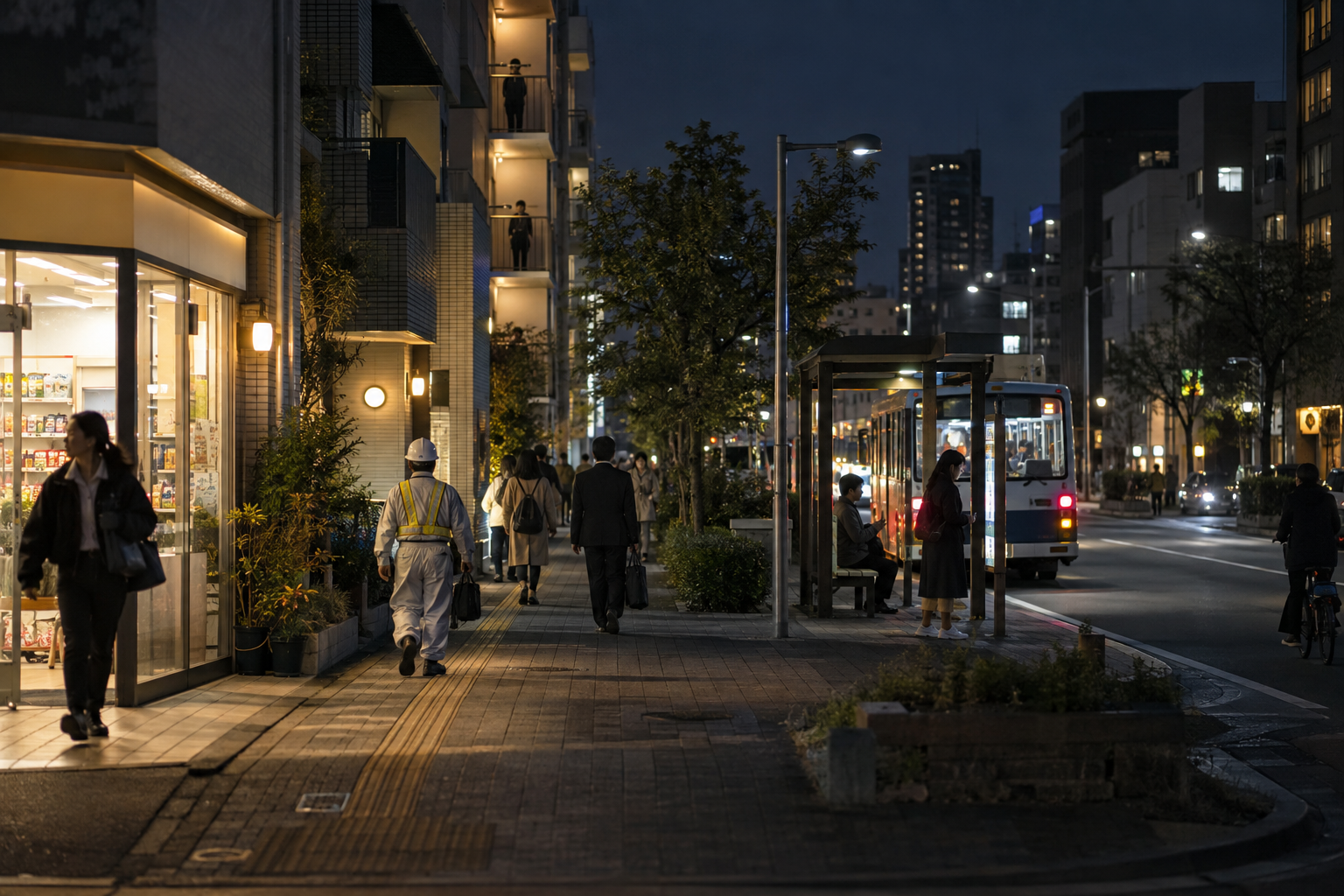
Lighting, opening hours, and night work reveal how a city continues to function after daytime routines end.
ABOUT THE JOURNAL
Walking City records how ordinary streets are slowly changed by time, trades and daily life. To learn what we cover, where the photos come from and how to contribute, start with the About page.