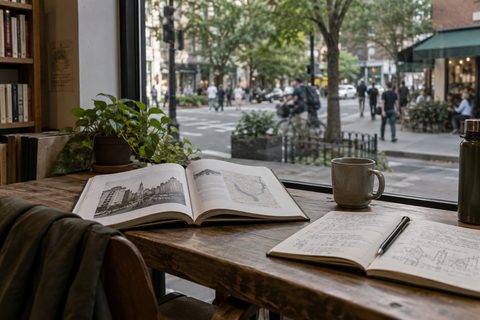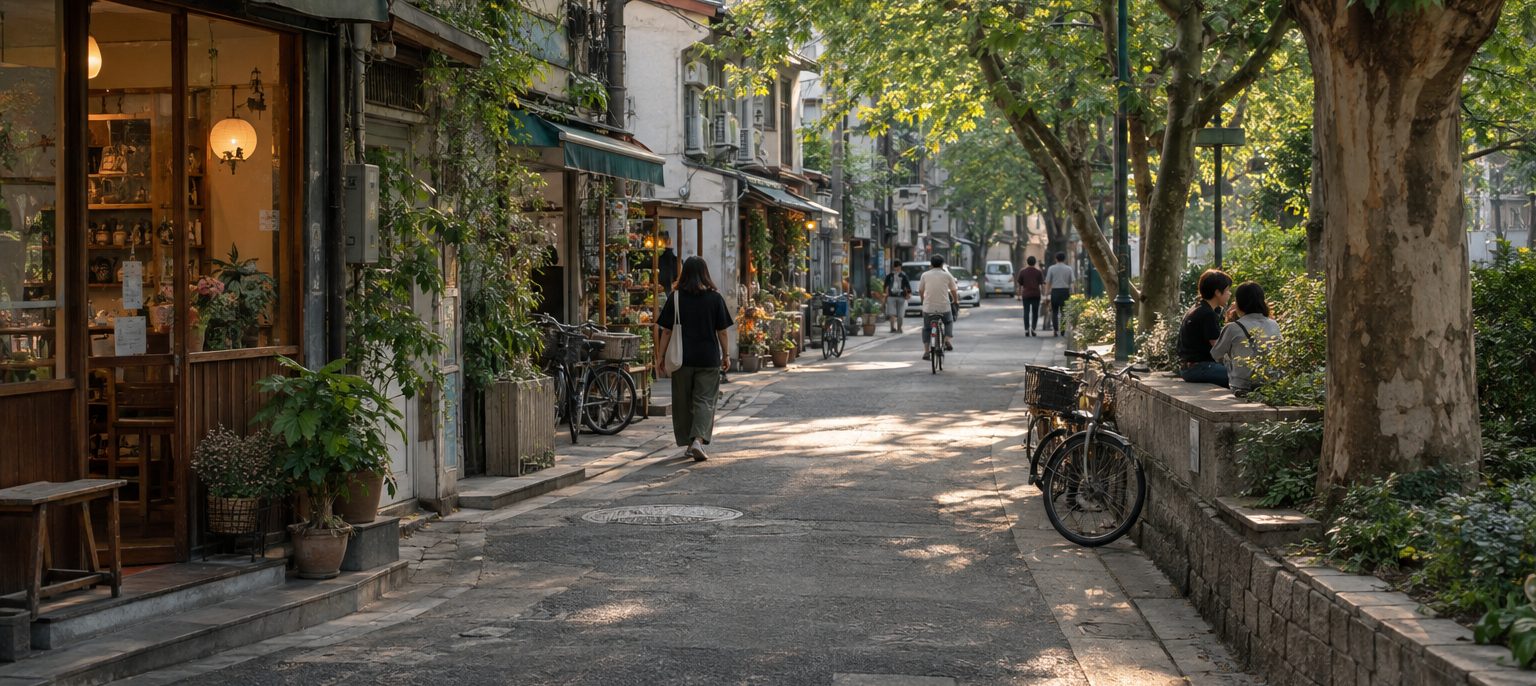
Why Some Streets Make Us Slow Down
Neighborhood Observations
Street fronts, walking rhythms, and places to pause show how a street can become a destination.
Notes from the street corner on walking, public space and neighborhood life.
Neighborhood Observations
Street fronts, walking rhythms, and places to pause show how a street can become a destination.
Walking Networks
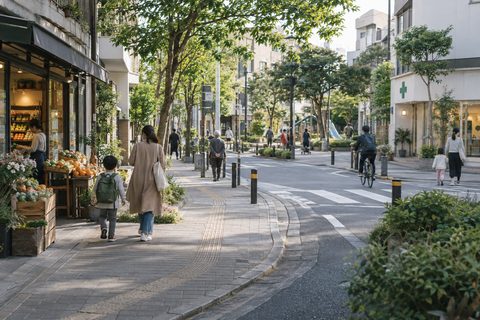
The same straight line distance can produce very different walks. Understanding a fifteen minute neighborhood starts with the routes people actually take.
Public Space
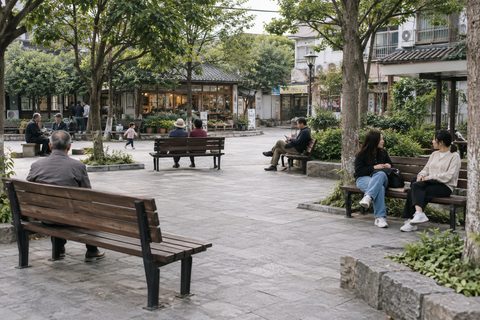
A public bench's orientation, spacing, and surroundings quietly shape how people share a place.
Community Life
A market sustains community connections through repeated encounters, easy places to pause, and everyday exchanges of information.

Urban Renewal
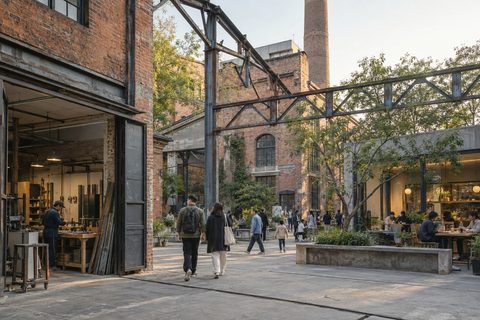
When industrial buildings become creative districts, examine both the architecture that survives and what the original users lose.
Transport and Mobility
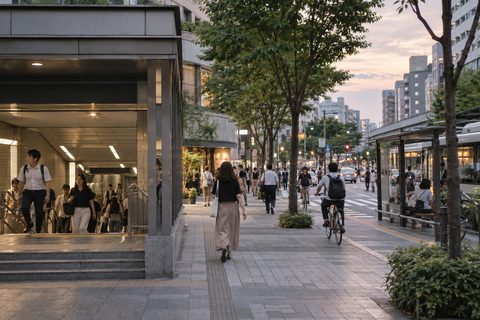
Public transport continues beyond the ticket gates. The next five hundred meters determine how well a station connects with neighborhood life.
Architectural Details
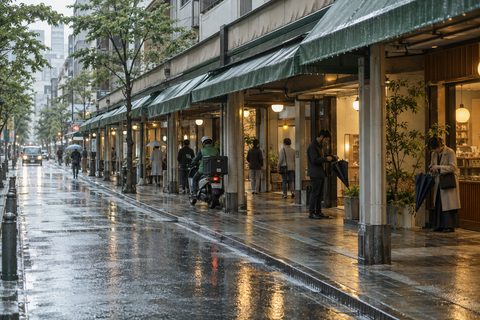
Spaces between buildings and streets keep walking continuous in sun and rain, while making room for everyday pauses.
The City at Night
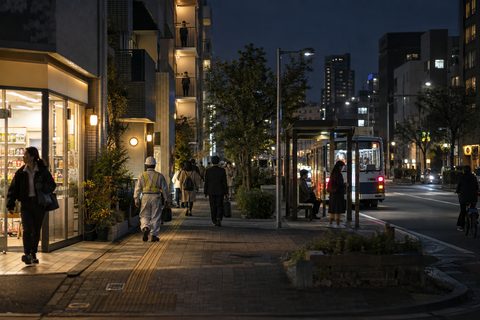
Lighting, opening hours, and night work reveal how a city continues to function after daytime routines end.
Maps and Methods
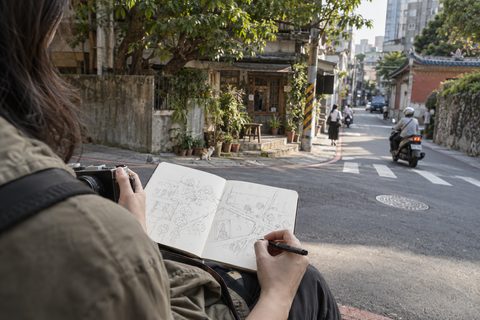
A route, a record sheet, and ninety minutes can provide a first understanding of an unfamiliar neighborhood with ordinary everyday tools.
Urban Reading
Classic urban observations connect safety and vitality with ongoing daily relationships, alongside the role of cameras and large scale design.